A lot of people think independence means doing everything alone. Real life does not work that way. Even people without disabilities rely on support every day. Family, friends, co-workers, routines. Everyone leans on something. What matters is having choice and feeling in control of daily life.
That is where reliable NDIS support Canberra services make a real difference, not through dramatic changes overnight. Usually, it starts with ordinary things. Getting ready in the morning without stress. Learning how to cook safely. Feeling confident enough to catch a bus alone for the first time.
Small moments build bigger ones. That pattern shows up again and again across disability support services in Australia.
No two participants have the same goals. One person may want help becoming more social. Someone else may focus on finding work or learning daily living skills. Another participant may simply want enough confidence to leave the house more often.
Good disability support Canberra providers understand that independence is personal. Support plans should never feel copy-and-paste.
A support worker might spend weeks helping one participant build a morning routine. Another participant may need assistance learning transport routes or managing appointments. Those things sound simple until anxiety, mobility challenges, or psychosocial conditions become part of everyday life.
Progress often looks uneven too. Some weeks feel positive and productive. Other weeks feel frustrating. That is normal.
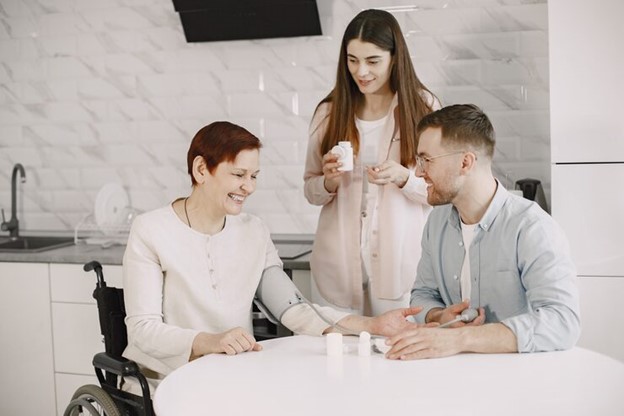
Most long-term independence starts with routine. Not giant milestones. Simple tasks slowly create confidence because they help participants feel capable in their own space and community. Support workers often assist with:
The goal is not permanent dependence. Strong support encourages people to build skills over time instead of having everything done for them forever.
One Canberra participant shared in a community discussion that learning how to shop alone changed more than expected. Grocery shopping became the reason they started leaving home regularly again, and eventually that led to joining social activities and reconnecting with friends. Funny how ordinary tasks can quietly rebuild confidence.
Isolation affects many people living with disabilities across Australia. Sometimes it happens slowly. A person stops attending events. Then they avoid public places altogether. Confidence drops little by little.
Many disability support services Canberra now place a strong focus on community participation because social connection affects emotional wellbeing, independence, and mental health all at once.
Participants may receive support to:
There is no perfect timeline for progress. Some participants become comfortable socially within months. Others need far more time and patience.
The important thing is consistency. Support workers who genuinely listen, encourage, and create calm environments often help participants feel safer trying new things. Clinical systems alone rarely create that feeling.
Psychosocial disabilities can affect almost every part of a person’s routine. Motivation disappears. Basic tasks feel exhausting. Appointments get missed. Social anxiety becomes heavier over time.
Recovery-focused support helps participants rebuild stability gradually instead of expecting immediate change.
Many NDIS support Canberra providers now combine emotional support with practical assistance. That balance matters because emotional well-being affects everything else. Someone struggling mentally may find cooking, cleaning, or even answering phone calls overwhelming during difficult periods.
Support workers often help participants rebuild structure through regular routines, goal setting, and community involvement. Stability may sound boring, though honestly, stability changes lives.
Once routines feel manageable again, confidence usually follows.
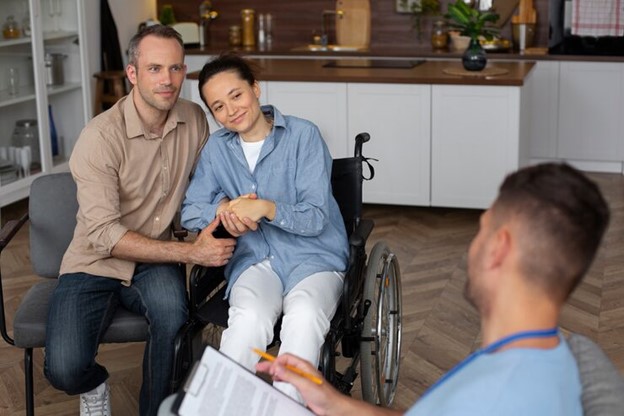
Assistive technology has improved daily life for many NDIS participants in recent years. Small tools are helping people manage tasks more safely and confidently without needing constant assistance.
Examples include:
Technology works best when paired with human guidance. Handing someone equipment without proper support usually creates frustration instead of independence.
Good disability support services Canberra teams understand that learning new systems takes patience. Some participants adapt quickly. Others need ongoing encouragement before technology feels natural in daily life. Both experiences are completely normal.
Independence rarely happens through one huge breakthrough. Most of the time, it grows quietly through routine, trust, encouragement, and repeated effort. A person learns one skill, then another. Confidence slowly replaces hesitation.
Quality disability support should always create more freedom and more personal choice over time. That is what meaningful support looks like in everyday life. AbilitySeer continues helping participants across Canberra build independence through practical care, genuine connection, and support that feels human rather than clinical.
What does NDIS support Canberra usually include?
Most ndis support canberra services include daily living assistance, transport support, community participation, life skill development, and support coordination based on participant goals.
How does disability support Canberra improve independence?
Quality disability support canberra programs help participants build confidence and practical life skills that support more independent living over time.
Can disability support services Canberra help with mental health conditions?
Yes. Many disability support services Canberra providers support participants with psychosocial disabilities through recovery-focused programs and daily routine support.
Why is community participation important for NDIS participants?
Community participation helps reduce isolation, improve communication skills, build confidence, and encourage long-term independence in everyday life.


